Welcome to PythiaVox!
Because Ventures Must Thrive!
PythiaVox is an innovation agency that de-risks startups through financial, analytical, and educational programs.
We build resilience through structured trial and error — because resilience builds genuine entrepreneurs!
Book An Appointment!
Schedule a standard appointment or first-time meeting with our team to discuss your business goals and challenges.
Get Started →Explore Programs
Enroll in transformative programs designed to develop your business skills, from pitching to strategic planning.
Explore →Our Partners & Sponsors
Bio

Rhoda Serafim
Rhoda is a 5-time founder with 10 years of experience at several hubs in 3 different continents. Rhoda is a logic-driven polymath who uses Neuroscience, Combinatorics, and Design Thinking to solve complex problems in Business, Venture Capital, and Human Capital. Her expertise spans the History of Technology, Cosmology, and Ancient & Modern AI. As a multidisciplinary leader, Rhoda bridges the gap between academic research, teaching, international markets, and venture scaling while remaining grounded to local ecosystems. Proven track record in de-risking startups via trial and error programs that build resilience, negotiating C-suite partnerships across LATAM/USA, and designing high-performance leadership programs. Trilingual expert in cross-border operations and complex problem-solving.
Business Coaching • Pitch Coaching • Leadership Development • Startup Hacking
For evening appointments, email rhoda@pythiavox.org
Events
Workshops, panels, and community gatherings designed to accelerate your venture's growth.
Ignition Awards — Boston University
BU's Ignition Awards bridge academic research and commercial impact, providing faculty with $25K–$75K in funding plus hands-on mentorship from industry veterans to turn lab breakthroughs into market-ready products and startups.
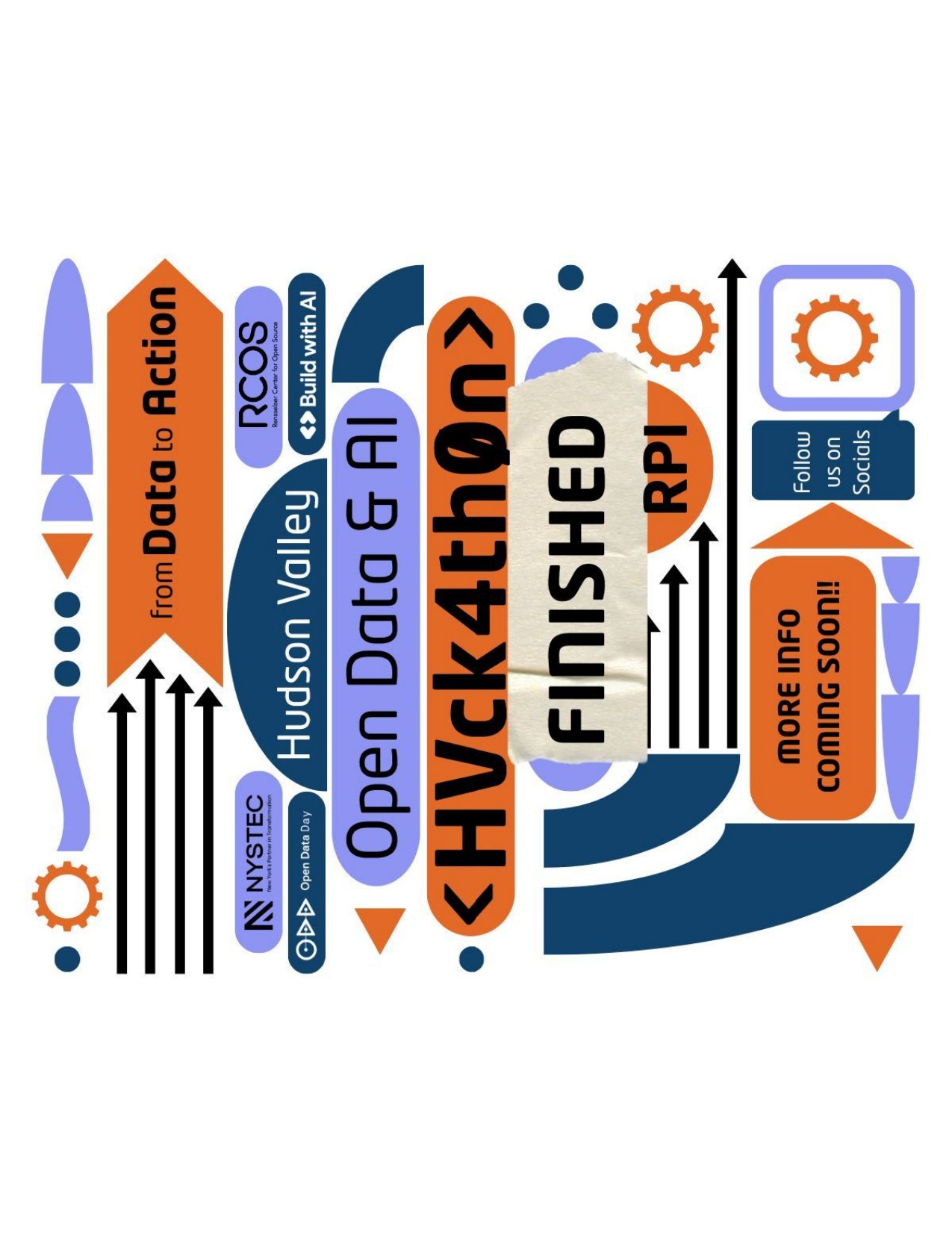
Hudson Valley Open Data Hackathon
Teams used open civic data to build solutions addressing real community challenges across the Hudson Valley region.

Innovators Night — Boston University
BU's flagship entrepreneurship celebration and grand finale of the New Venture Competition, awarding over $80K in prizes across General and Social Impact tracks — bringing together students, alumni, faculty, and investors to pitch, network, and launch.

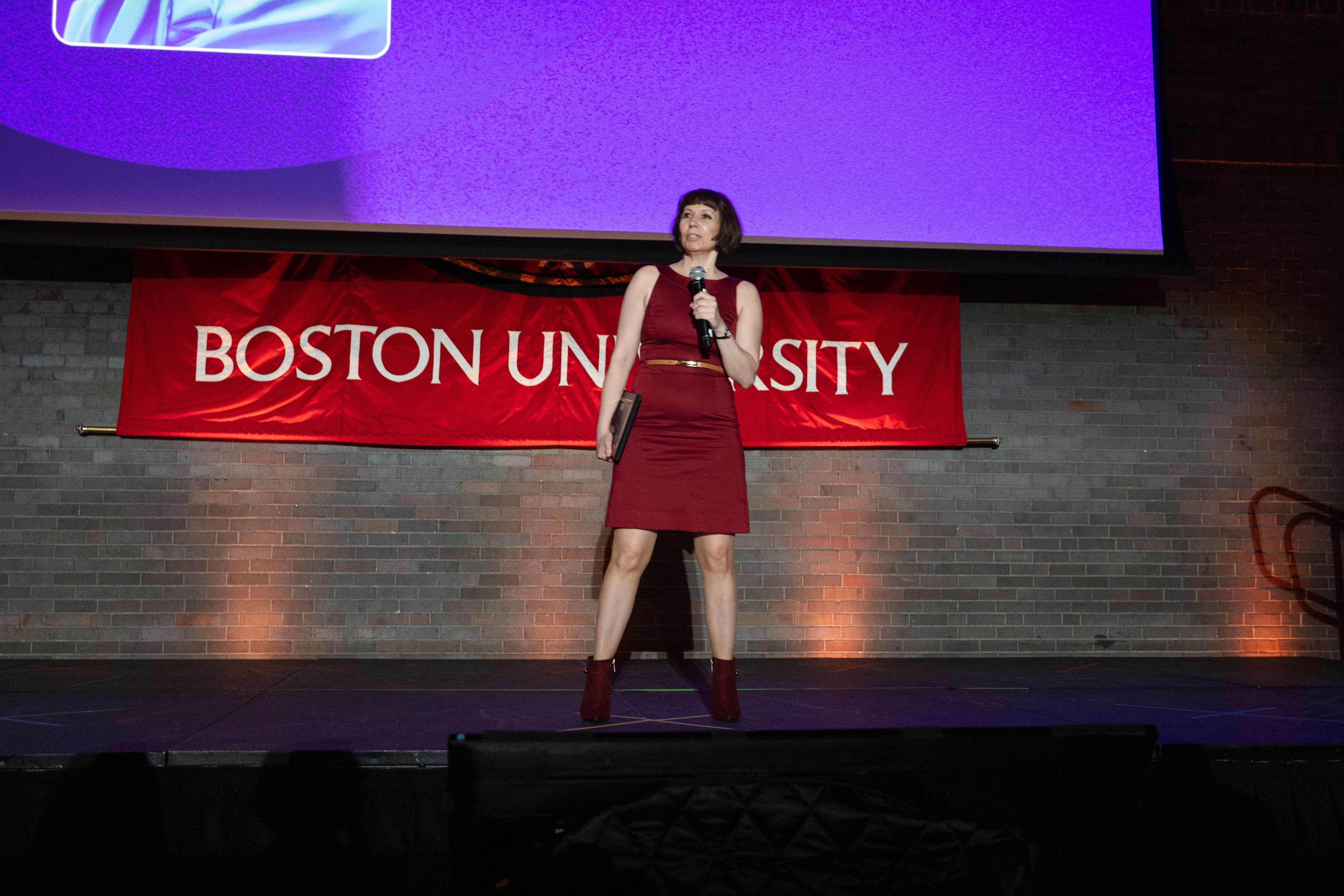
Judging at Questrom Business School
Rhoda served as a judge at Boston University's Questrom School of Business, evaluating student ventures on resilience, scalability, and market fit.
Hack Your Own Venture.
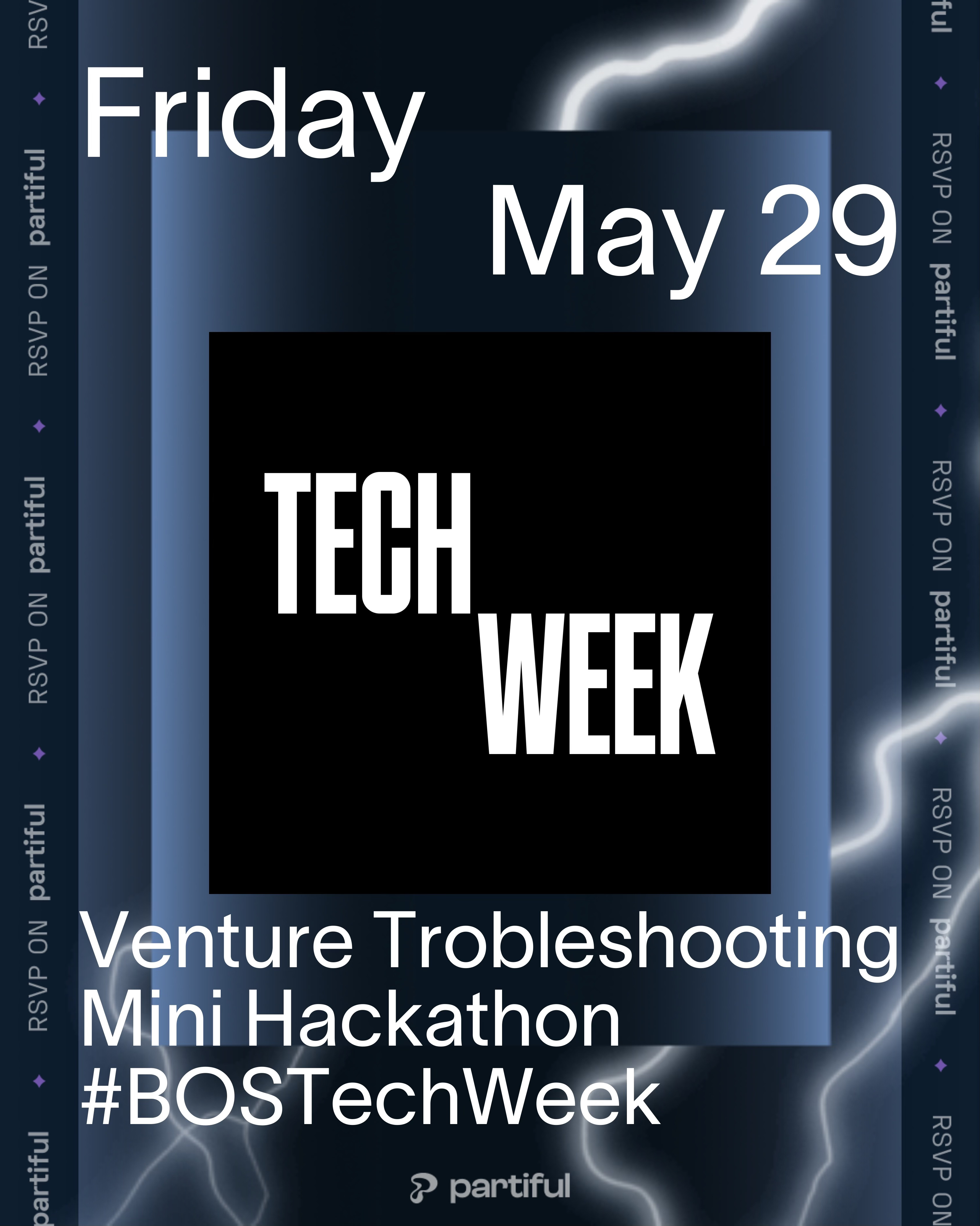
Troubleshoot → Trial · Error · Truth
A 4-hour intensive workshop hosted by PythiaVox at Boston Tech Week. Built for founders who've raised a little, have an MVP, and feel stuck — and for investors who want more resilient startups. Participants worked through the PythiaVox framework to identify gaps in PMF and GTM strategy, stress-test their assumptions, and find their "north."
If you can hack your own venture, anyone can too!
The Founder Fail: Let's Make Lemonade!

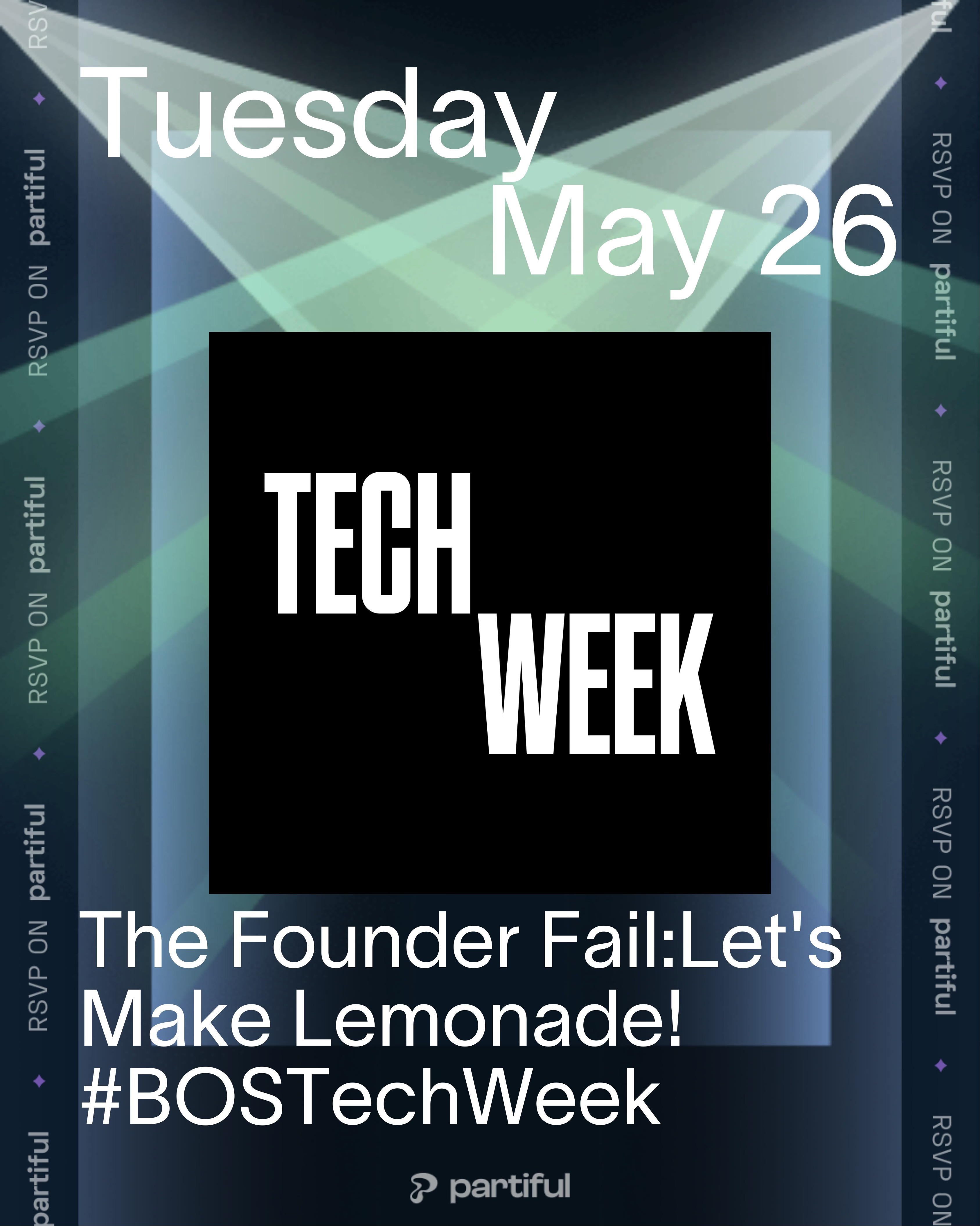
A live interview series with founders who built resilience from failure.
A 10–12 minute one-on-one interview with experienced founders, focused solely on one defining "fail" the founder chooses to share — a deep reflection for the interviewee and a source of inspiration for every founder listening. During Boston Tech Week, Rhoda sat down with Ben Katz, CEO of HYBRD and Y Combinator Alum, as he walked through one of his toughest challenges and how he turned lemons into lemonade.
Part of #BosTechWeek — a week of events hosted by VCs and startups to bring together the tech ecosystem.
Under Construction
This section is being built. Check back soon!
Practice
Practical frameworks to sharpen your venture skills — from crafting your value proposition to delivering an authentic pitch.
#practice
Definition
A value proposition is the conversion that results from the combination of a concise problem and a solution that yields an advantage, which in turn, converts to ROI.
50% of the solution is the problem itself. A solution solves a problem when it directly converts from problem to solution — meaning the solution is a derivative of the problem. When the problem is clearly understood, clearly spoken and written, the likelihood of it being true is much higher.
Formulaic Expression
P × S → A
A → Conversion
Conversion → ROI
Therefore: VP = f(P, S, A, ROI)
In words: A clear problem combined with an effective solution creates an advantage, which drives conversion, ultimately resulting in ROI — the essence of a strong value proposition.
Template 1 — Start Here
via Forbes®The Forbes® template is the clearest starting point for any value proposition. It forces you to name your customer, their need, and your advantage in a single sentence.
Example: For professional and amateur athletes who want high performance running shoes, we deliver the most advanced performing technology sneakers.
Your Customer Their Need / Problem Your Unique AdvantageTemplate 2 — Advanced
FormulaicThis template applies the full VP formula: VP = f(P, S, A, ROI). It requires you to articulate not just your customer and advantage, but the logical chain from problem to solution to advantage to ROI. Only attempt this once Template 1 is solid.

What is a Pitch?
A pitch is a mini speech that provokes an audience to action via a logically sound value converting proposition in 60s. It induces the audience directly to the business model, which is the desired final conversion.
Pitch Mechanics
How to Build a Pitch:
In order to build a pitch, first, you'll need to build a value proposition. Once you have a value proposition, you'll use it to write your pitch script.
A pitch has 3 major parts:
Pitch Template
Use the fields below to draft your 60-second pitch. Each part maps directly to one of the 3 pitch components. Complete them in order.
Delivery Is Half the Battle
You can have the best pitch script in the room and still lose the meeting. Performance is the bridge between your content and your credibility. These are the fundamentals.
The Non-Negotiables
These are the rules that separate pitches that get funded from pitches that get polite applause. Break them at your own risk.
Under Construction
This section is being built. Check back soon!
The Founder Fail: Let's Make Lemonade!
A 10–12 minute one-on-one interview with experienced founders who have built resilience from their journeys.
The show is focused solely on one "fail" the founder chooses to share — a deep reflection for the interviewee, and a source of inspiration for listening founders.
The Purpose
This podcast has a threefold mission:
- To create a space for founders and investors to voice their toughest experiences;
- To inspire listening founders with real testimonies that show grit and resilience;
- To create a normative culture of Trial & Error — where fails and mistakes are not just ok, but are the very source of survival.
Why?
Because Ventures Must Thrive!
PythiaVox's Foundational Premise — Reductio ad Absurdum
90% of startups fail. 75% of funded startups fail. Therefore, funding doesn't build successful startups — resilience is the common denominator among successful startups, including unicorns. So, let's build more resilient startups with programs that promote trial & error!
How?
Each episode is a 10–12 minute one-on-one interview with an experienced founder (minimum 2 years in) whose startup has been through the fire. The interview dissects the founder's experience into real, grounded questions — bringing to the surface the wealth of their experience so that listeners can truly resonate.
Kicking off with Boston Founders — because resilience is a Bostonian Trait!
Featured at Boston Tech Week

During TechWeek, Rhoda interviewed Ben Katz, CEO of HYBRD — Babson and Y Combinator Alum — alongside a growing list of high-caliber founders and investors from diverse experiences and backgrounds who are eager to share their stories.
Want to be interviewed?
Before a founder can be interviewed, they must apply to ensure they qualify. Apply below — we'd love to hear your story.
Scan to apply
Let's Make Lemonade! With Ben Katz, CEO of HYBRD — Y Combinator Alumni & Babson College Alumni
Ben Katz takes us through one of his toughest challenges as a founder and how he maneuvered to turn lemons into lemonade.
Progress
Your completed practice exercises are saved here. Download them as Word or PDF documents to revisit anytime.
Under Construction
This section is being built. Check back soon!